The Neanderthals, an extinct species of humans who lived thousands of years ago, are often portrayed in popular culture as primitive and unintelligent beings. However, recent research reveals a far more nuanced picture of these ancient relatives of modern humans. Neanderthals were far from the brutish stereotype once associated with them; they possessed a rich and complex culture, showcasing advanced survival skills, intricate social behaviors, and even the capacity for symbolic thinking. In this article, we will dive into the various facets of Neanderthal culture that make them a compelling subject for modern anthropologists, shedding light on their social structures, technological advancements, and much more.

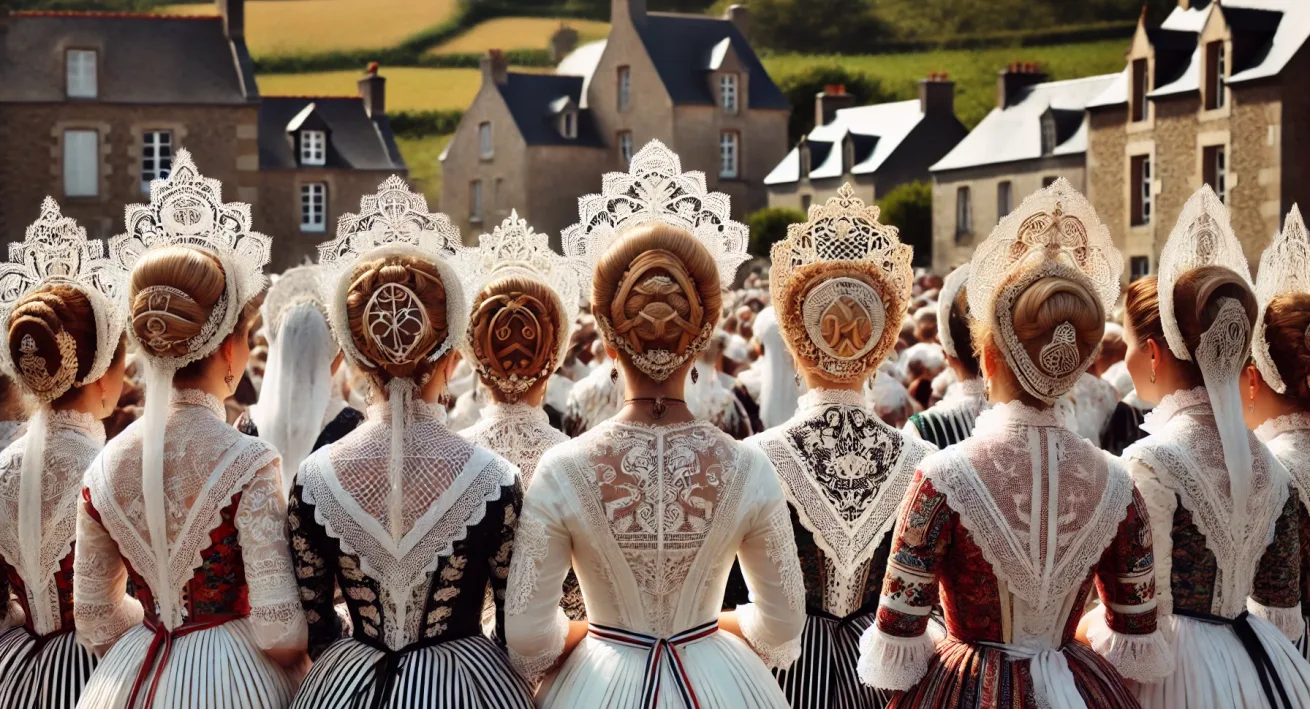
The coiffe from Brittany, France, is a striking and intricate piece of headwear that has captivated the imagination of fashion historians, ethnographers, and culture enthusiasts alike. It serves not only as a symbol of regional identity but also as a reminder of the rich cultural traditions that continue to influence the contemporary world. This iconic headpiece is more than just an accessory; it is a reflection of Brittany’s complex social and cultural history, shaped by its geographical location, customs, and community values.
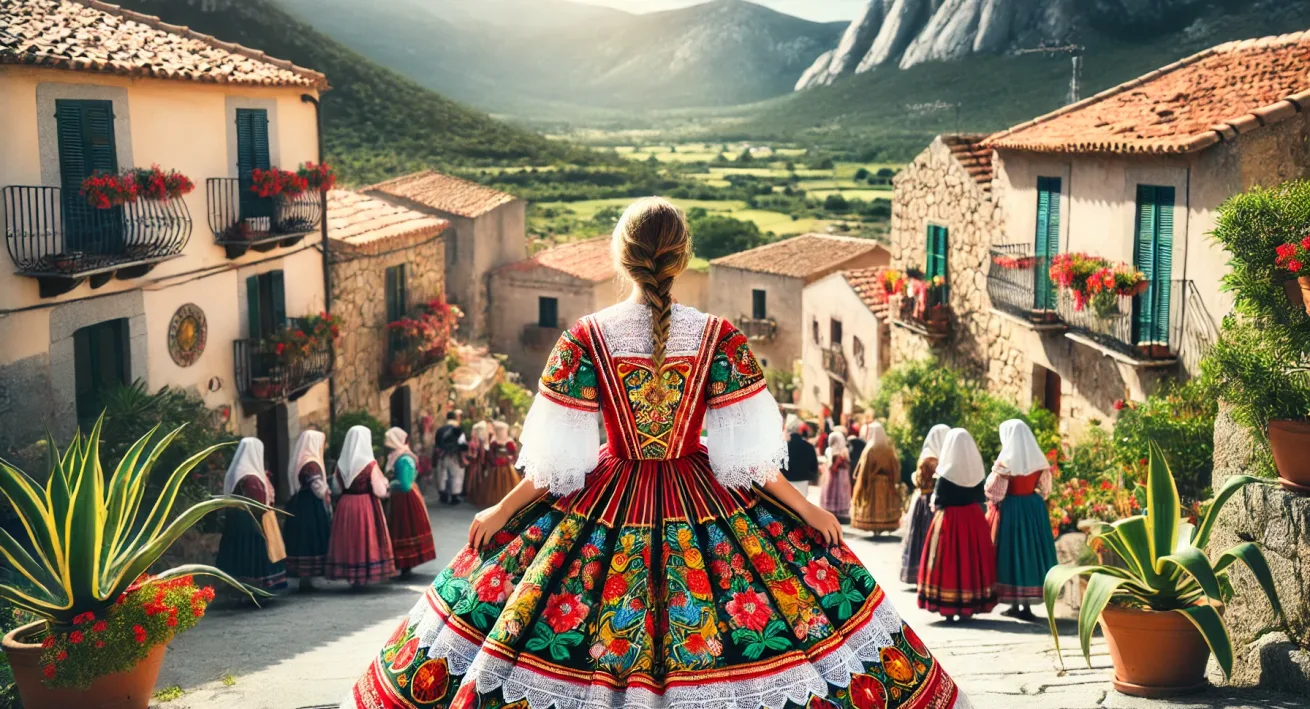
Sardinia, a picturesque island off the coast of Italy, is home to some of the most culturally rich and visually striking traditional costumes in the Mediterranean. For centuries, the island’s traditional dress has served as a symbol of its unique identity, telling stories of its history, regional diversity, and social customs. As you explore the island’s rich tapestry of clothing, you will discover that these garments are not merely attire; they represent a deeper connection to the past, a celebration of craftsmanship, and a proud preservation of cultural identity.
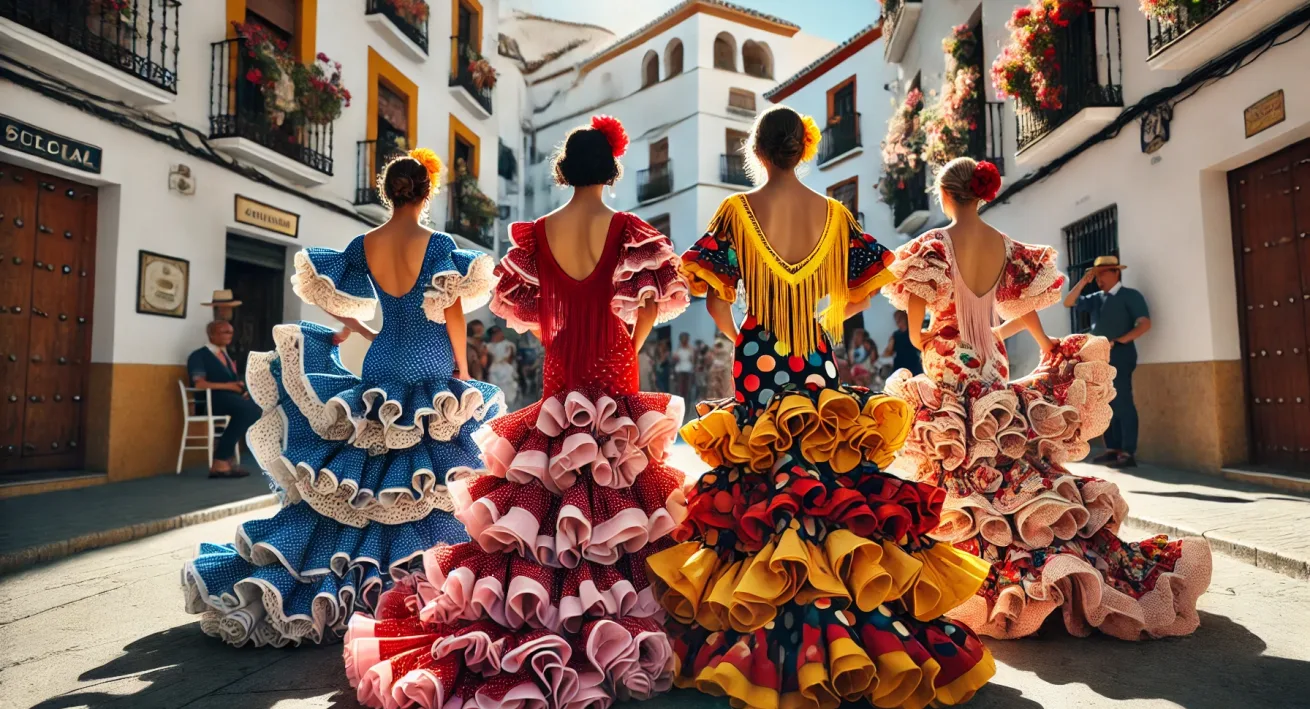
Flamenco, one of Spain’s most iconic cultural expressions, is more than just music and dance. It’s an art form that encompasses emotion, passion, and a deeply rooted tradition, particularly in Andalucía, the southern region where Flamenco was born. An essential part of Flamenco culture is the traditional attire, especially the Flamenco dress or traje de flamenca, which has evolved into a symbol of Andalusian identity. In this article, we will explore the history, styles, and significance of Flamenco dresses in Andalucía, offering insight into why these vibrant garments continue to captivate both locals and visitors alike.
Wife carrying, a quirky and fun competition originating in Finland, has gained international popularity over the years. With a blend of athleticism, humor, and strategy, it attracts participants and spectators alike. While it may sound lighthearted, wife carrying is a serious sport with specific rules and guidelines that ensure fairness and safety. Whether you’re planning to participate or just curious about this unique event, it’s essential to understand the fundamental rules that govern the competition.